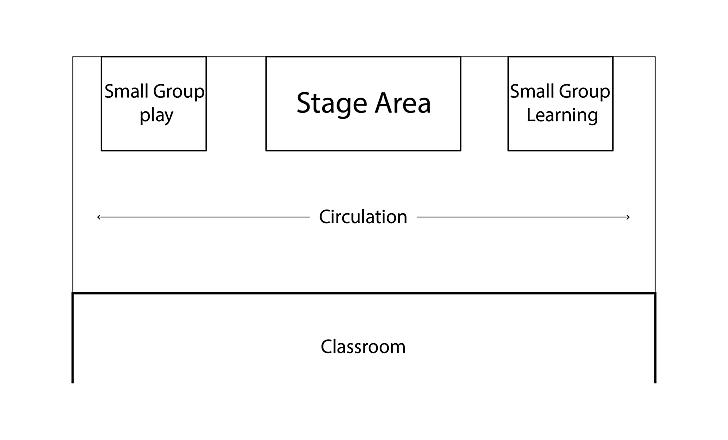
The circulation spaces adjacent to classrooms are an extension of the learning environment. They should encourage independent learning, collaboration, creativity, and social interaction, whilst maintaining clear supervision and a calm atmosphere.
General Design Principles
- Direct visual connection with adjacent classrooms.
- Different zones supporting a variety of learning styles.
- Flexible furniture and layouts.
- Integrated storage and display.
- Durable, premium-quality materials.
- Strong identity for each age group while maintaining a coherent overall design.
- Inclusive, accessible, and fully compliant with fire and safeguarding requirements.
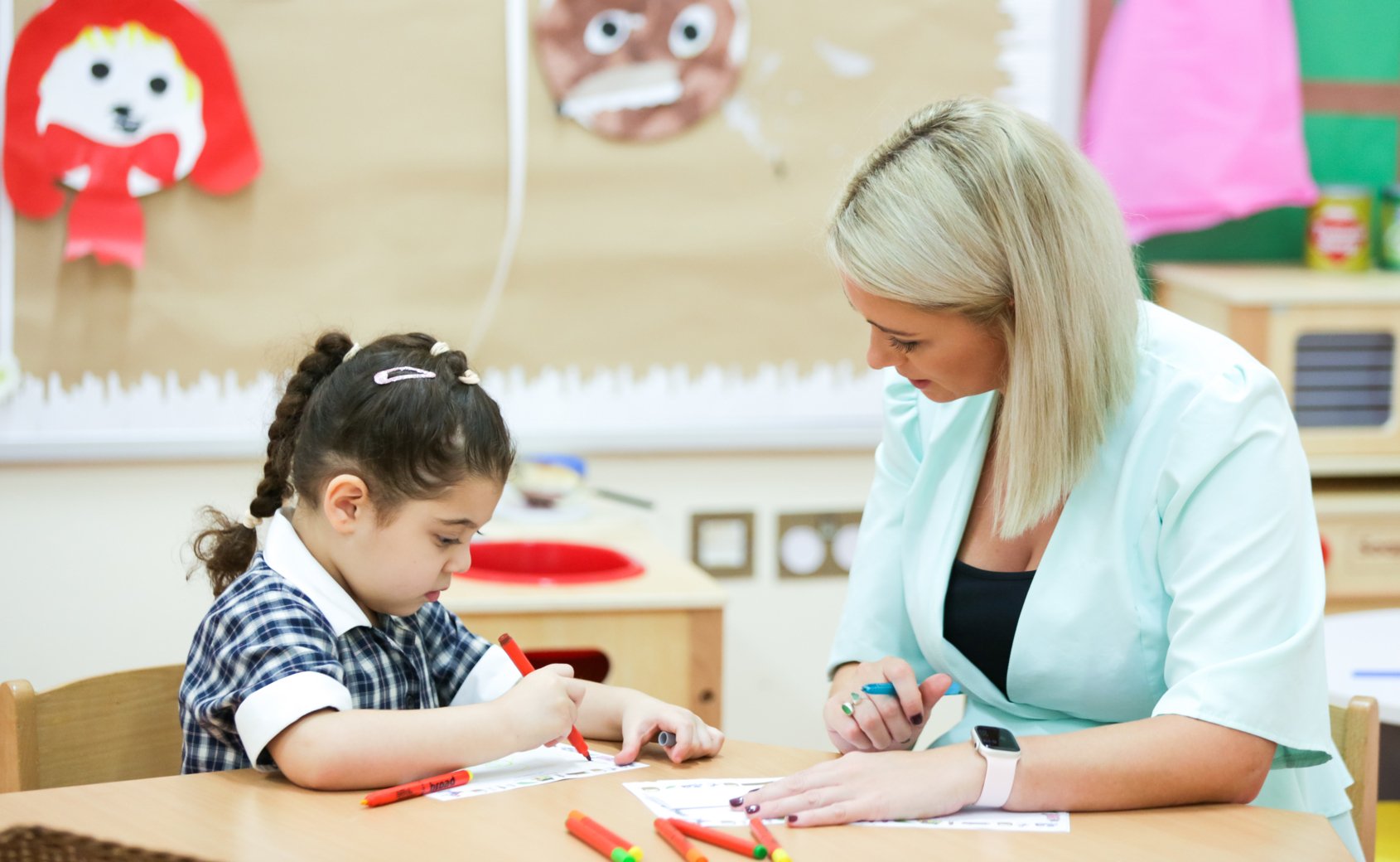
Early years breakout spaces should provide supportive and flexible environments that enhance learning beyond the main classroom. These areas are intended to accommodate a range of activities, including small-group teaching, focused intervention sessions, collaborative learning, storytelling, creative activities, and quiet reflection.
Breakout spaces should encourage children to work independently or in small groups, helping to develop communication, social interaction, confidence, and problem-solving skills in a less formal setting. They can also provide opportunities for personalised support and differentiated learning, allowing educators to respond to individual needs while maintaining a connection to the wider learning environment.
Designed with adaptability in mind, breakout spaces should be easily reconfigured to support different activities throughout the day. Through a combination of comfortable seating, accessible resources, and varied learning settings, these spaces help create a calm and engaging environment that promotes curiosity, concentration, and active participation in learning.